








Overview
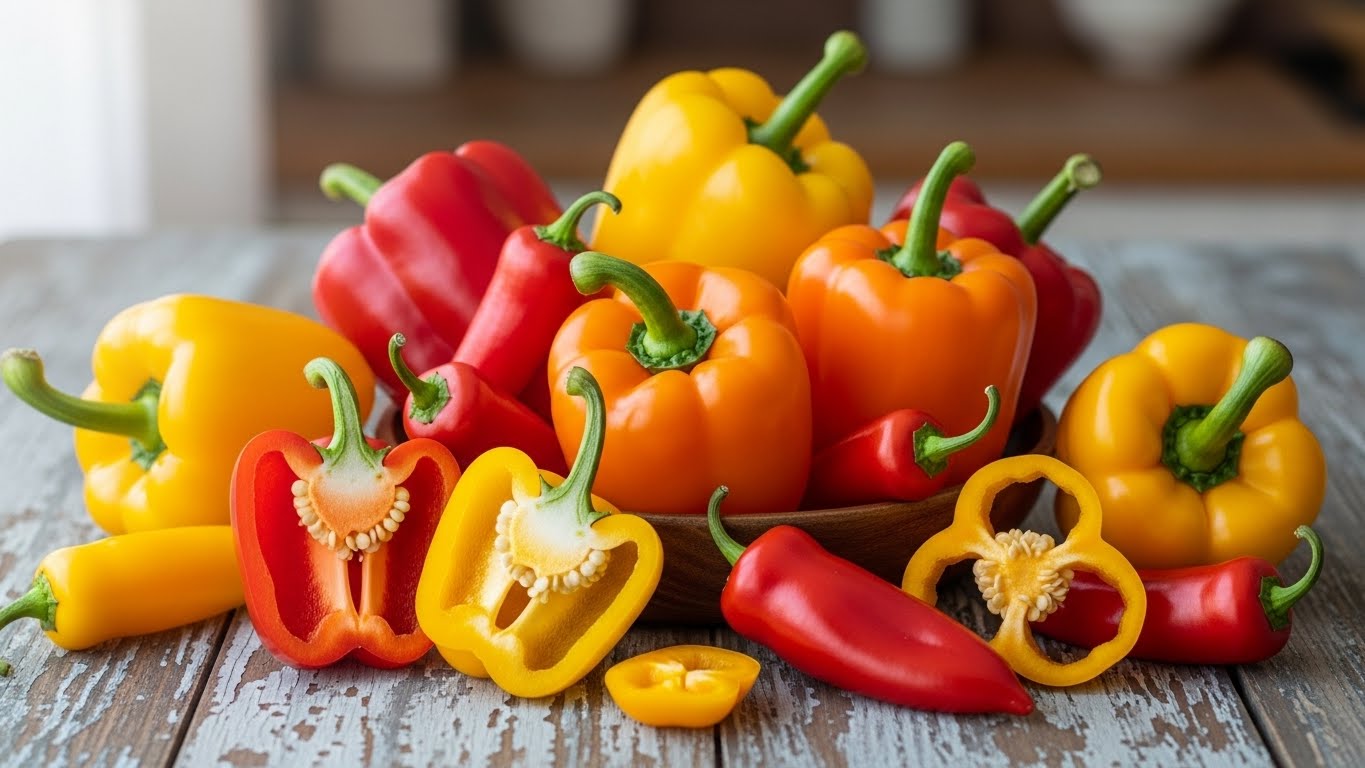
Sweet peppers—also called bell peppers or capsicums—are among the most versatile and beloved vegetables in global cuisine. Their naturally sweet flavor, vibrant colors, crisp texture, and impressive nutritional profile make them a staple ingredient in homes and restaurants alike. Whether you enjoy them raw, roasted, sautéed, or stuffed, sweet peppers offer a world of culinary possibilities. Beyond taste, they provide powerful health benefits that boost overall wellness and help maintain a balanced diet.
This comprehensive guide explores everything you need to know about sweet peppers: their origins, types, nutritional value, health benefits, uses, cultivation, and storage methods. By the end, you’ll understand why these brightly colored vegetables deserve a permanent spot in your kitchen.
Understanding Sweet Peppers
- What Are Sweet Peppers?
Sweet peppers belong to the Capsicum annuum species, a member of the nightshade family. Unlike chili peppers, sweet peppers contain almost no capsaicin—the compound responsible for heat—giving them a mild, sweet taste that appeals to all age groups. They come in a rainbow of colors, each offering slightly different flavors and nutrient profiles.
- A Brief History of Sweet Peppers
Sweet peppers originated in Central and South America, where they were cultivated for thousands of years by indigenous civilizations. Spanish and Portuguese explorers brought them to Europe in the 15th century, eventually spreading them across Asia and Africa. Today, they’re grown worldwide and have become an essential part of many cultural cuisines—from Mediterranean salads to Asian stir-fries.
Types and Colors of Sweet Peppers
Sweet peppers are best known for their vivid hues. While they all come from the same plant, their color depends on their stage of ripeness.
- Green Peppers
Green peppers are simply unripe versions of other colored varieties. They are less sweet, slightly more bitter, and have a crisp texture. Because they’re harvested early, they are usually the most affordable.
- Red Peppers
Red peppers are fully ripe green peppers. They boast a sweeter taste, softer texture, and significantly higher vitamin and antioxidant levels. Their deep color comes from carotenoids, which are beneficial plant pigments.
- Yellow and Orange Peppers
These peppers fall between green and red in terms of sweetness and ripeness. They have a fruity, bright flavor and a vibrant appearance, making them excellent for salads and raw dishes.
Speciality Varieties
Other sweet pepper varieties include:
-
Purple peppers – mild flavor with a slightly bitter note
-
White peppers – rare, with a gentle sweetness
-
Chocolate peppers – brown exterior with a sweet, flavorful interior
-
Mini sweet peppers – small, snack-friendly, and extremely sweet
Each type offers unique culinary uses and nutritional benefits.
Nutritional Profile of Sweet Peppers
Sweet peppers are one of the most nutrient-dense vegetables you can add to your diet.
Vitamins and Minerals
A single cup of chopped sweet peppers provides:
-
Vitamin C: More than 150% of the daily requirement (red peppers have the most)
-
Vitamin A: Beneficial for vision and skin health
-
Vitamin B6: Supports metabolism and brain function
-
Folate: Essential for cell growth
-
Potassium: Helps regulate blood pressure
Antioxidants and Phytochemicals
Sweet peppers are rich in essential antioxidants such as:
-
Capsanthin (especially in red peppers)
-
Lutein and zeaxanthin
-
Carotenoids
-
Quercetin
These compounds help fight oxidative stress, reduce inflammation, and protect cells from damage.
Low Calories, High Fiber
Sweet peppers are perfect for weight-conscious individuals. They are:
-
Low in calories
-
High in water content
-
High in fiber
-
Naturally fat-free
This combination promotes satiety and helps with digestion.
Major Health Benefits of Sweet Peppers
- Boosts Immune System
The high vitamin C content in sweet peppers strengthens immunity, supports collagen production, and helps the body absorb iron more effectively.
- Enhances Eye Health
Carotenoids like beta-carotene, lutein, and zeaxanthin support vision, reduce the risk of cataracts, and protect against age-related macular degeneration.
- Supports Heart Health
Potassium and fiber help regulate blood pressure and reduce cholesterol levels, while antioxidants prevent oxidative damage to blood vessels.
- Helps with Weight Management
Due to low calories and high fiber, sweet peppers make excellent snack options for individuals aiming to maintain or lose weight without sacrificing flavor.
- Reduces Inflammation
These peppers contain anti-inflammatory compounds that may help reduce joint pain, muscle stiffness, and chronic inflammation-related diseases.
Culinary Uses of Sweet Peppers
Sweet peppers are incredibly adaptable in the kitchen. Their versatility stems from their ability to be eaten raw or cooked in numerous ways.
Eating Sweet Peppers Raw
Raw peppers bring brightness and crunch to:
Salads
Sandwiches
Wraps
Snack platters
Salsas and dips
- They retain maximum vitamin C when eaten uncooked.
Cooking with Sweet Peppers
Here are popular cooking methods:
- Roasting: Roasted peppers develop a smoky flavor and soft texture, ideal for pizza toppings, pasta, sandwiches, and dips.
- Sautéing: Quick sautéing brings out their natural sweetness. Perfect for stir-fries, fajitas, and omelets.
- Grilling: Grilled peppers pair well with meats and give barbecues a colorful boost.
- Stuffing: The hollow shape of bell peppers makes them perfect for stuffing with rice, meat, vegetables, or cheese.
International Dishes Featuring Sweet Peppers
-
Mediterranean: Ratatouille, roasted pepper salad
-
Mexican: Fajitas, tacos, fresh salsas
-
Asian: Stir-fries, sweet-and-sour dishes
-
Italian: Antipasto, roasted pepper sauces
Growing Sweet Peppers at Home
- Growing sweet peppers is rewarding and relatively simple when given the right conditions.
Soil and Temperature Requirements
- Peppers thrive in:
-
Warm temperatures (70–85°F / 21–29°C)
-
Well-drained, fertile soil
-
Full sunlight
- They are sensitive to cold, so outdoor planting should begin only after frost season ends.
Planting and Care
-
Start seeds indoors 6–8 weeks before transplanting.
-
Water regularly but avoid oversaturation.
-
Mulch to retain soil moisture.
-
Fertilize lightly during the growing season.
Harvesting Sweet Peppers
- Harvest green peppers early for a more bitter flavor or leave them longer to ripen into red, yellow, or orange varieties. The longer they mature, the sweeter and more nutritious they become.
How to Store Sweet Peppers Properly
Short-Term Storage
- Store fresh peppers in the refrigerator, ideally in the crisper drawer, where they last:
-
1–2 weeks for whole peppers
-
2–3 days for cut peppers
- Wrap sliced peppers in airtight containers to maintain freshness.
Long-Term Storage
- You can store peppers long-term by:
-
Freezing: Slice and freeze them raw or blanched
-
Pickling: A flavorful method for extended shelf life
-
Drying: Great for adding to soups and stews
Fun Facts About Sweet Peppers
-
Red peppers contain twice as much vitamin C as green peppers.
-
Bell peppers are technically fruits, not vegetables.
-
The sweetness increases as the pepper ripens.
-
Mini sweet peppers are one of the fastest-growing snack trends in the U.S.
-
There are hundreds of sweet pepper varieties grown worldwide.
Conclusion
Sweet peppers are an extraordinary blend of flavor, color, nutrition, and versatility. From boosting your immunity to adding vibrancy to your meals, they offer countless benefits. Whether you prefer them green and crisp or red and sweet, these nutrient-packed vegetables can enhance everyday cooking and contribute to a healthier lifestyle.
Including these peppers in your diet doesn’t require special preparation—simply slice them, toss them into a dish, or enjoy them raw. And if you’re passionate about gardening, growing your own peppers can be incredibly satisfying.